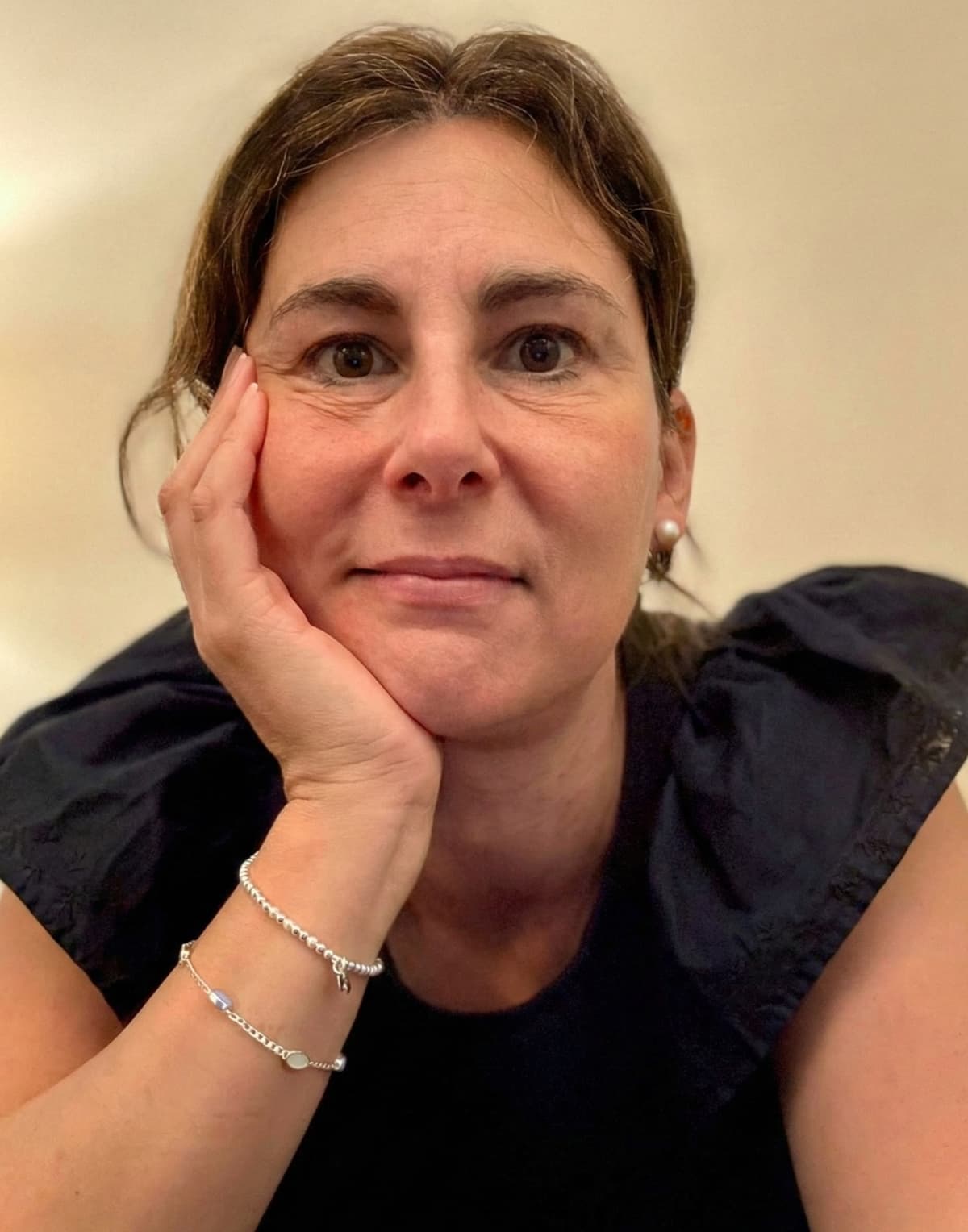
Hello, I'm Nadia
I worked in the field of education and mental health for over 20 years before training as a counsellor. Along the way, I discovered that giving others the time and space to share their story with a supportive listener can have a powerful healing effect.
I would like to hear your story...

Often joined by Lucy, my cockapoo therapy assistant
What I specialise in
I have a special interest in autism and ADHD and have worked with many clients who have received these diagnoses as adults. This can have a significant emotional impact and can also affect self-identity. It can take time to process the diagnosis and to find ways to live life with greater self-confidence and less stress.
I also have particular experience of working with bereavement, loss, and those living with cancer. I have an interest in developmental trauma, where clients have had significant adverse experiences in their early life which affect their relationships with others and with themselves.
I have experience of working with clients from a wide variety of different religious, educational and cultural backgrounds. I value and welcome working with difference and diversity.
My background
I have a background in teaching and am a trained and experienced Educational Psychologist. I've worked as a primary school teacher, a psychologist, a supervisor and a team manager in my life so far and am also a wife and mother to two teenagers and one needy cockapoo.
Qualifications:
- BA in Psychology (Hons)
- PGCE in Primary Education
- MSc in Educational Psychology — HCPC Registered
- CPCAB Level 4 Diploma in Therapeutic Counselling — BACP Registered
I've also completed additional training in working with neurodivergent clients, trauma-informed approaches, and bereavement support. I believe in continual learning—there's always more to understand about the human experience.
BACP Membership Number: 394901
What this means for you:You can be confident that I'm appropriately trained, work ethically, and have professional support. You can verify my registration on the BACP register.


How I work
I am an integrative counsellor which means I draw on a range of therapeutic approaches and techniques that are most appropriate for you as the client and the needs and issues that you bring.
The key to successful outcomes in counselling is the quality of the relationship between the client and the counsellor.
The chance to have your story witnessed by an empathic and non-judgemental companion can be therapeutic and can help you find a way through your challenges.
Where appropriate, I may also use a psychodynamic approach which involves looking at your early life experiences and relationships to better understand your current way of being.
I'm passionate about helping others better understand themselves to bring about greater self acceptance and change. I believe that change can lead you to a more fulfilling life and help you live with greater authenticity.
Whilst we are all a product of our past, this does not mean that we are destined to live in a certain way. We can always challenge what is causing us pain and stress and make changes.
What to expect early on
The first few sessions are about building trust and understanding what you're hoping to explore. There's no pressure to dive deep immediately.
Ongoing work
As trust develops, we can go deeper. You set the pace. Some weeks might be heavy; others, lighter. Both are valuable.
The details
| Sessions | 50 minutes |
|---|---|
| Frequency | Weekly or fortnightly |
| Location | Online (Zoom) |
| Fee | £70 per session |
| Days | Monday, Tuesday and Thursday (daytime + evenings Mon & Tue) |
| Availability | Currently accepting new clients (short wait possible) |
I offer a limited number of concessionary slots for students or those on low incomes—please get in touch to discuss if this applies to you.
I have some limited in-person availability on a Monday afternoon in SW11.
Frequently asked
What's the difference between counselling and psychotherapy?
Psychotherapy is a specific approach in counselling which places a large emphasis on looking back at your childhood and earliest life experiences to consider how these shape your current thought and behaviour patterns. It also looks at defence mechanisms you may have developed over time. Counselling may draw on psychodynamic approaches but may also use other counselling models as well in an integrative way to best meet the needs of the client. This is my approach and I am very much guided by what you need or works best for you.
Will I feel worse before I feel better?
Counselling may tap into deep and painful emotions and experiences that you have been holding on to, sometimes for many years. It can bring old wounds into the light which may feel difficult but research shows that being able to label and feel painful emotions helps us to heal, grow and move forwards so yes it could be that sessions may be painful and challenging at times, depending on the material you bring.
How do counselling sessions work?
As a client, the 50 minutes is entirely yours to bring any issues, concerns, past or present experiences and feelings that are troubling you. It's usually a good idea to have a few issues in your mind that you want to explore during the session.
What happens in the first session?
The first session is about getting to know each other. I'll ask some questions to understand what's brought you to counselling, and you can ask me anything you need to. There's no pressure to dive deep straight away—we'll go at your pace.
How long does counselling typically last?
There's no set number of sessions. Some people come for a few weeks or months to work through something specific; others find ongoing support helpful for longer. We'll regularly check in about what feels right for you.
Is everything I say confidential?
Yes, with very few exceptions. What you share stays between us unless there's a risk of serious harm to you or someone else. I'll explain this fully in our first session, and you can ask any questions.
Is my problem or issue bad enough to need counselling?
If an issue is bothering you or you would just like to reflect on where you are in life right now with a non-judgemental, supportive professional then counselling is for you. You do not need to be going through a major bereavement, marriage break up or significant trauma to be deemed worthy of counselling; it is healthy to explore your life, experiences and patterns of behaviour to see if there is anything that can be changed or tweaked to make your life even just a little more fulfilling and authentic.
How is counselling different to talking with a friend or family member?
Counselling is unique in that the whole 50-minute session each week is given over to you—your issues, concerns, feelings, and experiences, unlike a conversation with a family member or friends where they will want to share their issues too. Friends and family can be judgemental and may want to give you advice or tell you exactly what to do. A counsellor will help you explore your issue with no judgement, warmth, and empathy to help you find your own way through as this builds emotional resilience and empowerment, leading you to place greater trust in yourself. You are best placed to know what is right for you.
What if I feel it's not working or making any difference?
Just be honest and tell me. This way we can discuss why this might be and find the best way forward. It might open up a more honest conversation between us that helps us to move on or we may decide that a parting of ways or a referral onwards is the best step.
Will you give me advice and tell me what to do?
My key approach in counselling is a person-centred one, where the core belief is that a person knows what is best for them and can find a way through their difficulties if provided with the right conditions. These conditions are created in the counselling room, giving you the time, space, and confidence to explore issues with a supportive companion. I will not tell you what to do, but rather through exploration of the issues you bring, your way forward will become clearer to you.
Can I get counselling through the NHS?
The NHS does offer talking therapies, typically through self-referral to your local Talking Therapies service (formerly IAPT). However, NHS waiting times can be long and sessions are often limited in number. Private counselling offers more flexibility—you can start sooner, choose your counsellor, and work at your own pace for as long as you need without a fixed session limit.
What if I cry during a session?
That's completely okay—and very common. Counselling is a space where all emotions are welcome, including tears. Crying is often a natural part of processing difficult feelings and experiences. I won't judge you or try to stop you. You'll never need to apologise for showing emotion in our sessions.
Do you offer evening or weekend appointments?
I currently offer sessions throughout the day on Mondays, Tuesdays and Thursdays. I also offer evening sessions on Mondays and Tuesdays, though these tend to fill quickly! I have some limited in-person availability on a Monday afternoon in SW11.
Would you like to talk?
If anything on this page resonates, I'd be glad to hear from you. There's no obligation—just a conversation to see if I might be able to help.
Get in touch